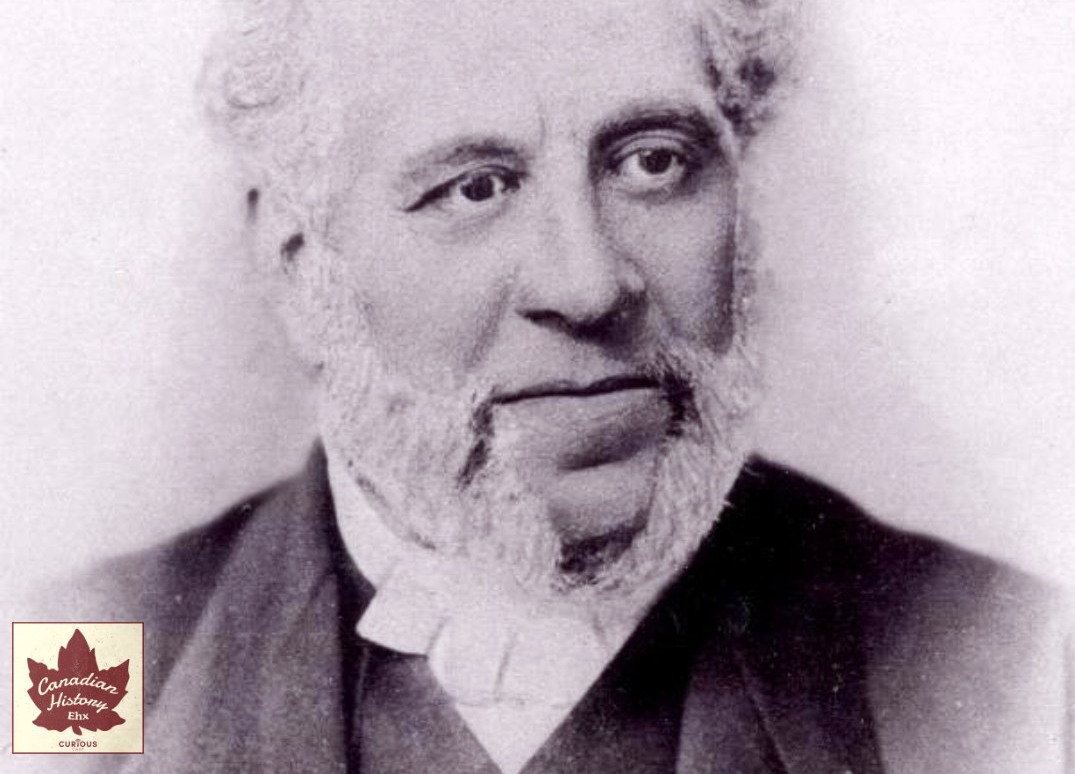
S. M.Saxby, The Weather Prophet
I had the pleasure of presenting a program last Sunday at the Eastport Arts Center on the Saxby Gale. For those not familiar with the Saxby Gale of 1869, the worst storm to ever strike Downeast Maine and the Atlantic Provinces, Hurricanes and Saxby Gale will give you some idea of how devastating the storm was locally. I had thought to finish the program at the Arts Center with a poem written by a New Zealander about the Mr. Saxby and his prediction of the storm we now know as the Saxby Gale but forgot to do so. You can read it below but first a brief description of Lt. Saxby, known in the 1860s and 70s as the “Weather Prophet”.
Saxby was not a fraud or huckster-he truly believed he could predict the weather based on the position of heavenly bodies and their relationship to the earth, the tides and declination of the planet. He was usually far of the mark in his predictions but like the blind squirrel who sometimes finds the acorn, Saxby occasionally got it right and in predicting the gale which struck Downeast on the evening of October 4th, 1869 he certainly seemed a prophet. However Saxby had also predicted this same storm would strike the North Sea, the Thames in London and New Zealand. London newspapers reported no wind, a lower than usual tide and rather sarcastically commented the only damage suffered was to Saxby’s already questionable reputation. He had previously been ordered by the Royal Navy to cease making weather predictions. Even the Royal Astronomer-yes the English have a Royal Astronomer to this day- told Saxby to stop making predictions as he had a large following who believed in him and often acted to their detriment based on his questionable predictions. Today Saxby would have ten million followers on Facebook.
Many New Zealanders were fans of Saxby and he predicted a tidal wave along its shores for the same days he predicted the storm in the Atlantic. However earlier predictions of Saxby for the region had caused unnecessary panic and by September of 1869 when he predicted the early October storm which became known here as the “Saxby Gale” New Zealand newspapers sounded the alarm. Pointing out that Saxby had predicted a terrible storm in March 1869 the Nelson New Zealand Examiner commented ” The hoax was so palpable, that no one was deceived by it, except the very foolish people of Hokitika who made preparations to remove their lodgings to gaol hill. But what now is of more importance is the extraordinary tide which Mr. Saxby tell us we shall experience of the 5th of next month-in England on the 6th- and concerning which Mr. Saxby is doing his best to induce residents on low parts of the coast to prepare against, as something quite unusual, if not beyond all living experience.” The Wanganui Chronicle reported a number of silly people in Hokitika have made preparations for moving in anticipation of a huge tidal wave which it is said may “submerge the Middle Island of New Zealand to within 12 feet of the highest point of Mount Cook.”
The Westport Times of New Zealand published a poem on September 30, 1869, a few days before the predicted storm which expressed the lack of faith in Saxby by most New Zealanders:
SHALL WE HIE TO THE MOUNTAINS?
Old Saxby, the prophet, did write on a scroll,
And frightened the people ’bout nothing at all.
Damp were his ideas, and not very clear;
And for aught we can tell he was muddled with beer.
“I show you a mystery,” this false prophet said,
“And the deep billows shall rise from their bed,
Like a giant in anger devastating the land
For beauty and grandeur a desert of sand.
The sun and the moon ‘gainst the earth shall conspire,
“And man be destroyed with water, not fire.
Woe unto the cities that stand by the sea!
If this come not to pass, never more believe me.”
On the fears of the nations he’s practised before,
Till the wise men believe not, and fools believe more,
And ask one another, Whate’er shall we do,
For the time is at hand and the prophecy true?
Shall we hie to the mountains, and deep in her caves
Shall we call on old Zeus to make them our graves?,
Cause three inches of water may dash on our shore,
Shall the sweetest of nectars delight us no more?
Shall we hie to the mountains, and from the high top,
Shall we watch this big billow swallow all up?
Let the towns be forsaken; it is sweeter by far
To die on the mountain than drown on the bar.
No! the bar is our altar where homage we pay
To rosy old Bacchus, by night and by day.
Let us call on his priestess to endue us again
With the dew of the mountain till courage return.
Let us call on old Neptune to send us an ark,
store it with spirits, and let us embark,
And Boreas may speed us, and Neptune may frown,
Yet we’ll keep up the spirits whatever go down.
Let us build us a Babel to reach to the sky,
And store it with whisky, gin, rum, and brandy,
And before the great flood let us call it a bond
Escaping the tax on that of which we are fond.
Should we use our invention, and build a balloon,
And take in a cargo, and sail to the moon,
Yet dangers will threaten us on our path drear,
And our spirits forsake us before we get there.
MORAL.
Though we fly to the mountain or sail on the sea,
Or build us a Babel, or in balloons be,
Will danger forsake us? Will we never agree
That none can preserve us but One only He.
No storm struck any part of New Zealand on the days predicted by Saxby and his reputation suffered accordingly. Despite this failure, the admonitions of the Royal Astronomer and the Royal Navy, Saxby continued in his role as “the Weather Prophet” until his death. He could always point to the Saxby Gale of October 4-5, 1869 which struck Downeast Maine and Maritime Provinces for vindication.