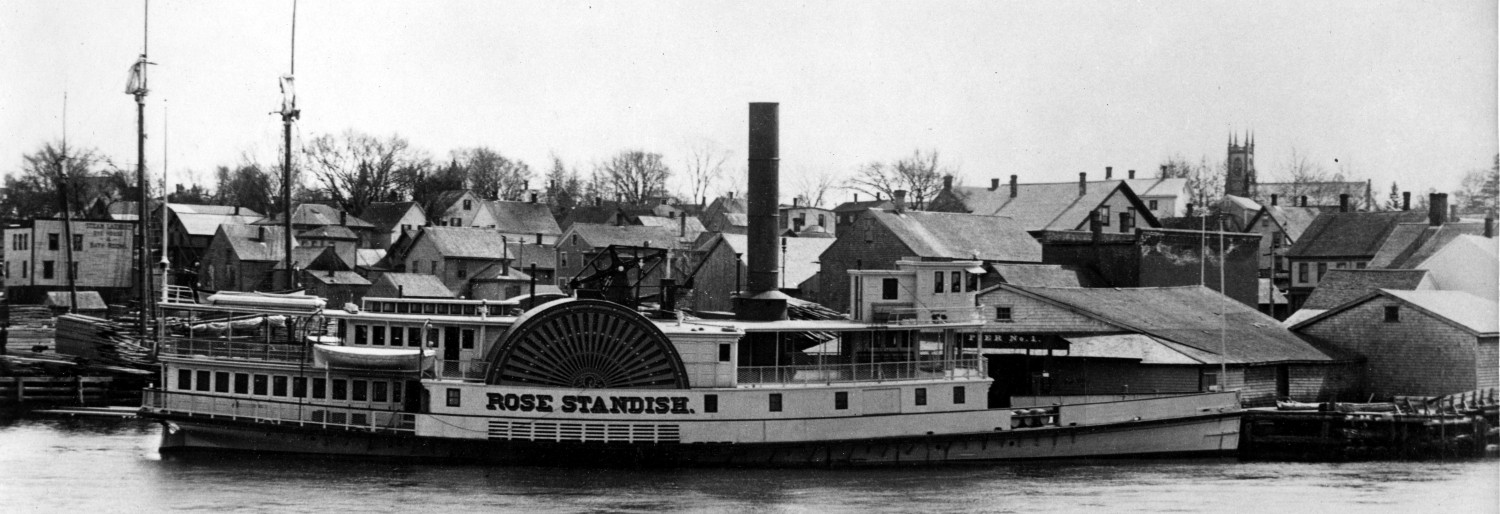

January 24, 1936, was a bitter, cold day in the Northeast. Gale force winds lashed the coast, and the thermometer was near zero and going down. The newspapers reported the storm as “The wildest gale and highest sea known here for years”. It must have been quite a surprise to Mrs. William Sipe, the wife of a worker on the Quoddy Project, to observe from the window of her Brooks Bluff cottage a small two-masted boat headed down river in such a tempest. Her surprise turned to shock when the boat capsized and threw its two occupants in the frigid waters of the St. Croix. Sounding the alarm the authorities and local Robbinston residents risked life and limb to save, if possible, the two men but the men were never found and it was presumed they drowned, but did they? It remains a mystery to this day what happened to these men and, indeed, what Mrs. Sipe saw that day, but her version of the events was supported by a Robbinston teenager, William Hunt. The event warranted headlines in the local and national newspapers.
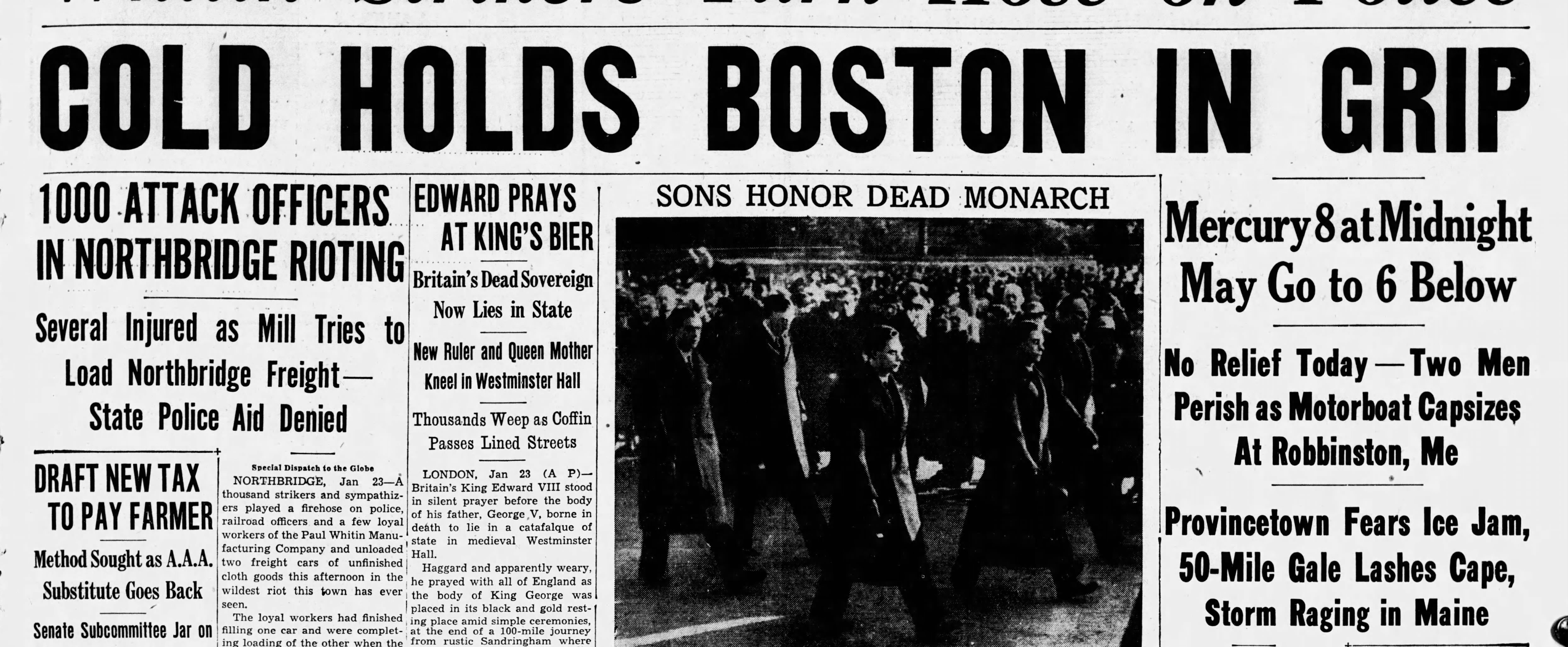

The account of the Kennebec Journal of January 24, 1936, describes the tragedy.
Two men drowned off Brooks Bluff January 24, 1936
Woman Tells of Seeing Motorboat Upset in Gale on St. Croix River Close by That Town
Search Is Futile
Says Saw Them Swimming Near Overturned Craft During Height of Record Storm in Locality
Two men were believed to have been drowned when their motorboat capsized in the gale that swept the St. Croix River off this town today.
Search in Vain
A score of local men in frail dinghies, aided by several larger craft, searched fruitlessly for hours, hampered by the wind and snow that often reduced visibility to a few yards.
Deputy Sheriff Harvey P. Smith of Calais said the search started when Mrs. William Sipe of New York City, wife of a Quoddy project steel worker, said she saw the men swimming near their overturned boat from her cottage at Brooks Bluff. The report came at the height of one of the worst gales this region has known in years, Smith said.
Her story, said Smith, was corroborated by William Hunt, 16, of Robbinston, who said one man fell from the boat, and that when the other went to the rescue, the boat capsized. The deputy sheriff also said he had been unable to learn of any missing men in any of the towns of this region.
A dinghy containing two of the local searchers Cecil Leslie and his brother, whose first name could not be learned, was swept out into the fast-running tide, and nearly capsized. A sudden shift in the wind enabled the brothers to reach shore.
The motorboat Aristocrat, from St. Andrews, N.B. on the opposite shore, and the army tug Deland and the cabin cruiser Machias, both from Eastport, site of the $36,000, 000 Passamaquoddy Bay project also took part in the search.
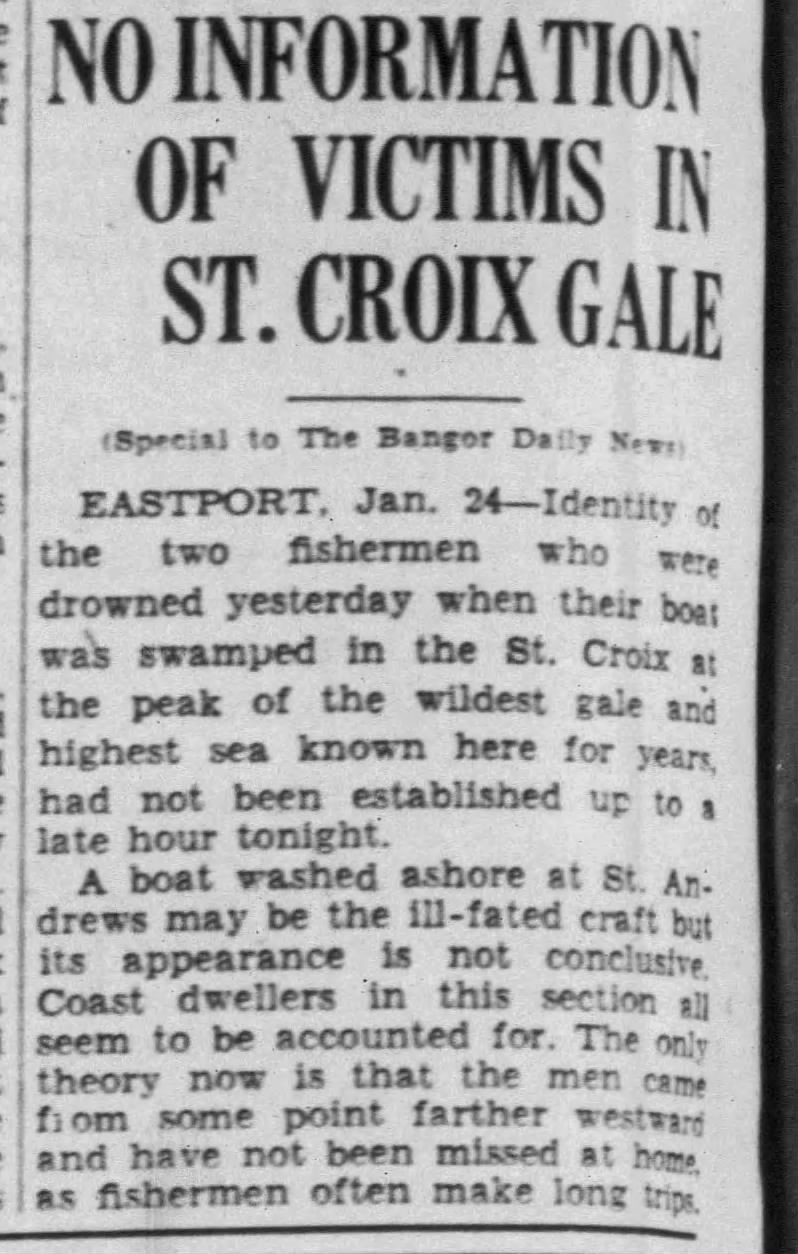
Bangor Daily reports on boat found off St. Andrews
The tragedy soon became an unsolved mystery. The bodies were never recovered and while a boat washed ashore at St. Andrews it was questioned whether it was the one described by the witnesses. It was soon determined that no one local was missing. The Bangor Daily opined “The only theory now is that the men came from some point farther westward and have not been missed at home, as fishermen often make long trips.”
It must have been a long trip indeed because here the story died. I can find no further reference to the incident in the newspapers. It is certainly a strange and puzzling incident. In some accounts the two men are described as fishermen, but it seems unlikely even rubes from away would take to the water in freezing temperatures and gale force winds to catch supper on the St. Croix.
As to the witnesses, we know nothing about Mrs. William Sipe other than her connection to her husband who was temporarily employed on the Quoddy Project. William Hunt was a Robbinston lad of 16 who attended Calais High School, graduating in 1938 and from all appearances appeared a bright, reliable sort of fellow. He made the honor roll most years, was a class officer, a poet and was voted most oratorical in1938 by his fellow graduates. In 1939 he was living in Northampton Massachusetts.
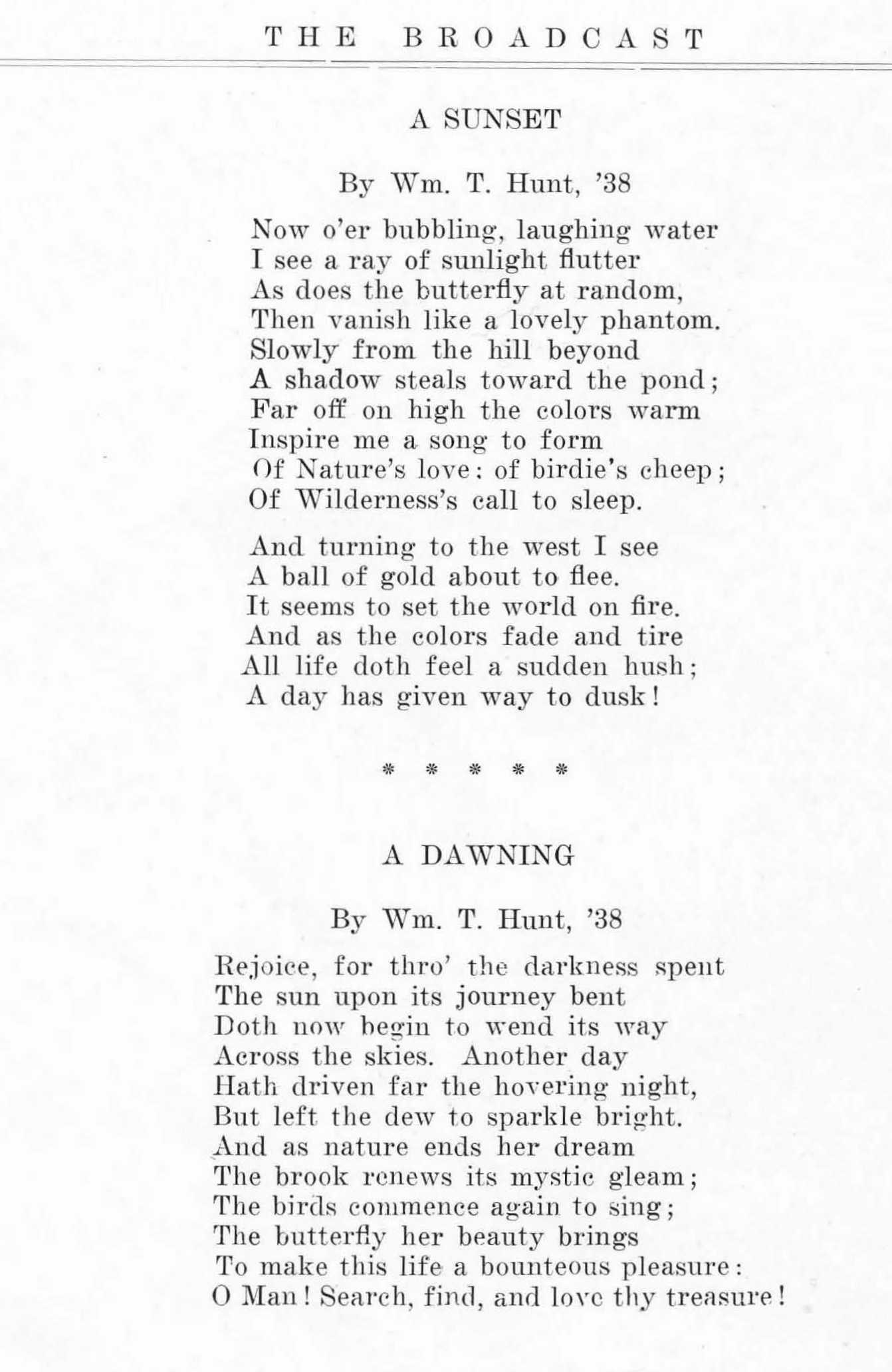
Was it likely the two witnesses, if they even knew each other, would have conspired to concoct such a tale with all the dangers attendant to those who might try to rescue the victims? Then again it is equally strange that no one had inquired about the two men who disappeared from the face of the earth on that day. Strange indeed.
It is possible of course that I missed something in my research and the identities of the men became known. If so, please let me know so my suspicions will be allayed. The more likely explanation is the tale was a hoax. I am not alone in this opinion although the St. John Times of January 25, 1936, put it more kindly when they reported “Police at St. Stephen were inclined to believe that the story of the boat swamping was a product of a fertile imagination.”